The 4Cs of Diamonds Demystified: Where to Spend and Where to Save
A master jeweler's guide to maximizing brilliance, finding eye-clean clarity, and avoiding overpriced grades.

Executive Summary & Key Takeaways
- Cut is King: The cut grade dictates over 80% of a diamond's visual brilliance and fire. Never compromise on Cut—always prioritize Ideal or Excellent.
- The 'Eye-Clean' Clarity Sweet Spot: Paying thousands extra for FL or VVS grades is visually unnecessary. A clean VS1 or VS2 grade looks completely identical to the naked eye.
- Color Grades: In platinum and white gold, F and G colors appear bright, ice-white, and colorless without paying the premium for D-Flawless.
- The Magic Carat Weight Trick: Buying a 1.90–1.95 ct diamond rather than a flat 2.00 ct stone saves 15–25% with zero noticeable visual size difference.
1. Why Cut is the Undisputed King
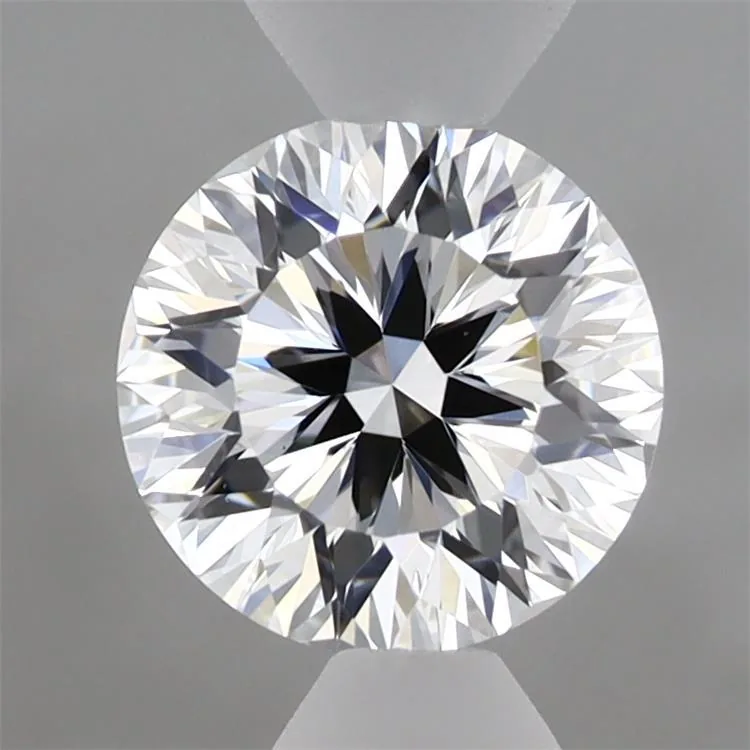
If you only remember one rule from diamond gemology, let it be this: Cut grade dictates how light enters, refracts inside, and bursts out of the stone as brilliance and rainbow fire. A diamond with flawless D color and VVS1 clarity will look dead, glassy, and dull if its angles and proportions are cut too shallow or too deep.
When a diamond is cut with Ideal or Excellent proportions, light reflects between the pavilion facets and bounces back upward directly through the table to the viewer's eyes. If cut too deep, light leaks out the bottom; if cut too shallow, light escapes through the sides.
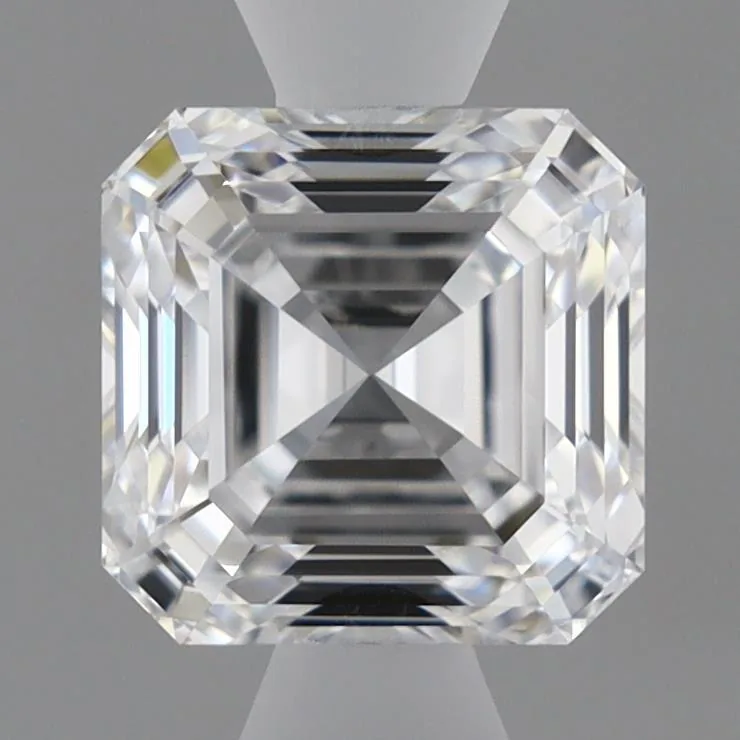
Therefore, your first rule of diamond shopping is: Never compromise on Cut. For Round diamonds, insist on Excellent (or Ideal). For fancy shapes like Oval, Radiant, and Emerald, prioritize excellent polish and symmetry with balanced table and depth ratios.
2. The 'Eye-Clean' Clarity Secret
Diamond clarity grades measure internal inclusions and surface blemishes under 10x gemological magnification. The scale ranges from Flawless (FL) and Internally Flawless (IF) down to Included (I1–I3).
The critical insider secret is 'Eye-Cleanliness': If an inclusion cannot be seen with the unaided human eye from a distance of 6 to 8 inches under normal lighting, that inclusion has zero impact on the diamond's beauty.
Stones graded VS1 and high-grade VS2 are virtually always 100% eye-clean. The inclusions consist of microscopic pinpoints or tiny feathers that can only be located under a microscope by an experienced grader. Upgrading to VVS1 or FL adds thousands of dollars in cost for characteristics you can never appreciate with your eyes.
3. Color Grades: Where Value Meets Whiteness
The diamond color scale begins at D (completely colorless) and progresses down to Z (light yellow or brown tint). D, E, and F are grouped as 'Colorless,' while G, H, I, and J are categorized as 'Near Colorless.'
In white metals like Platinum and 18K White Gold, F and G grades provide pure, sparkling ice-white aesthetics. G-color stones contain negligible traces of warm body color that remain invisible once set in a fine atelier mounting.
If you are selecting a setting in 18K Yellow Gold or Rose Gold, you can comfortably choose H or even I color stones. The warm reflection of the yellow or rose prongs naturally camouflages subtle warmth in the stone, saving you substantial capital.
4. Carat Weight vs. Visible Millimeter Size
Carat is a unit of mass (1 carat = 0.200 grams), not a measurement of millimeter dimensions. In the diamond trade, prices surge exponentially at 'benchmark' weights: 1.00 ct, 1.50 ct, 2.00 ct, and 3.00 ct.
Savvy diamond buyers seek out 'under-size' stones—such as a 1.92-carat stone rather than a 2.02-carat stone. A 1.92 ct Round diamond measures approximately 7.95 mm across, while a 2.00 ct measures approximately 8.10 mm. That 0.15 mm difference is undetectable to the human eye, yet the price discount can exceed 20%.
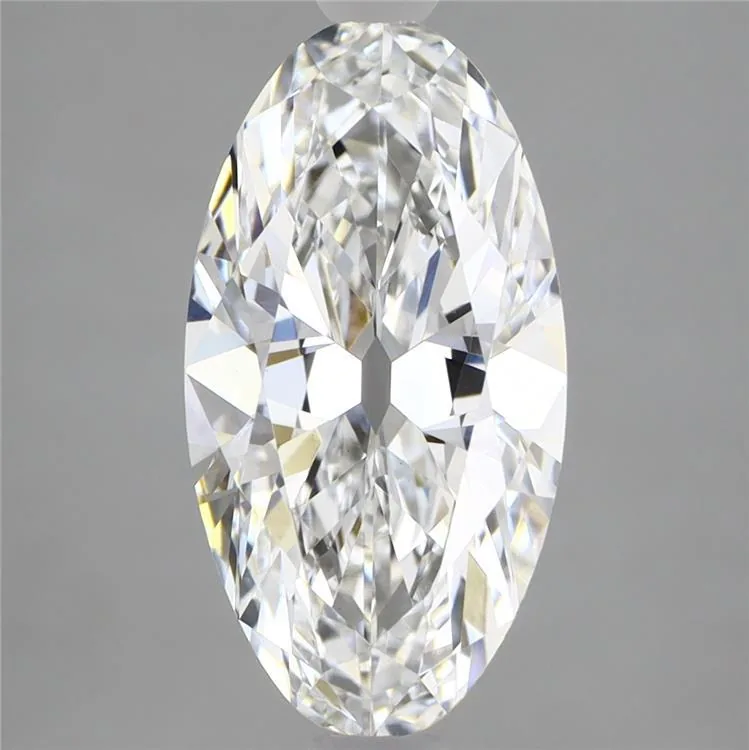
Furthermore, elongated shapes like Ovals, Marquises, and Pears distribute their carat weight across a broader surface area, creating a visual footprint that appears 15% to 25% larger than a round diamond of the same weight.
5. The Smart Buyer's Allocation Matrix
When distributing your diamond investment across the 4Cs, prioritize in this strict order: 1) Cut Grade, 2) Carat & Proportions, 3) Color Grade, 4) Clarity Grade.
By locking Cut at Excellent, choosing an eye-clean VS1/VS2 clarity, and selecting an F or G color grade, you guarantee a breathtaking diamond that outshines higher-cost stones whose budgets were misspent on invisible clarity.
Frequently Asked Questions
Published by Lucent Carat Lab Gemological Atelier
Our international gemological atelier inspects, certifies, and curates certified loose diamonds directly from primary cutting centers with complete transparency and verified IGI credentials.