Natural vs. Lab-Grown Diamonds: The Complete 2026 Buying Guide
Understanding the science, market pricing, durability, and certification differences before you buy.

Executive Summary & Key Takeaways
- Physical, Chemical & Optical Identity: Lab-grown diamonds are 100% pure crystallized carbon (hardness 10 on the Mohs scale), identical in sparkle, fire, and durability to natural diamonds.
- Cost Difference: Lab diamonds currently cost 70% to 85% less than equivalent natural diamonds, enabling much larger carat weights within the same budget.
- Grading Standard: Both origins are evaluated by IGI and GIA using the identical 4Cs grading methodology and require advanced spectrometer equipment to differentiate.
- Value Philosophy: Natural diamonds retain historical rarity value, while lab diamonds maximize immediate visual luxury and size.
1. The Scientific Reality: Are They Really Identical?
One of the most persistent misconceptions in the luxury jewelry industry is the notion that lab-grown diamonds are 'synthetic' substitutes like cubic zirconia or moissanite. In reality, modern gemological science has fundamentally resolved this question: a laboratory-grown diamond is a genuine diamond in every sense of the word.
Both natural earth-mined diamonds and laboratory-grown diamonds consist of pure elemental carbon arranged in a tight isometric-hexoctahedral crystal lattice. They possess identical physical hardness (10 on the Mohs scale), identical refractive indices (2.42), identical dispersion (0.044), and identical thermal conductivity.
When subjected to thermal and electrical conductivity testing by professional jewelry appraisers, both stones register unequivocally as diamond. The sole distinguishing factor is the timeline and environment of crystal genesis: deep beneath the Earth's mantle over 1 to 3 billion years versus high-technology precision laboratories replicating those exact geological pressures over weeks.
2. How Lab Diamonds Are Created (CVD vs. HPHT)
Lab-grown diamonds are synthesized using two primary advanced gemological technologies: Chemical Vapor Deposition (CVD) and High Pressure High Temperature (HPHT). Understanding these methods helps buyers appreciate the remarkable craftsmanship behind modern stones.
HPHT mimics the intense underground geological conditions of the earth, applying temperatures exceeding 1,400°C and pressures of over 50,000 atmospheres to a diamond seed crystal immersed in carbon. This process produces exceptionally dense, durable stones.
CVD utilizes a vacuum chamber filled with hydrocarbon gas (such as methane) subjected to microwave plasma. The carbon atoms separate and deposit layer by microscopic atomic layer onto a diamond substrate. CVD allows incredible control over chemical purity, often yielding Type IIa diamonds—the purest diamond category representing fewer than 2% of all natural mined diamonds.
3. 2026 Market Pricing & Budget Advantage
The price difference between natural and lab-grown diamonds is the primary catalyst driving the contemporary market. In 2026, certified lab-grown diamonds trade at roughly 75% to 85% below the cost of equivalent earth-mined diamonds with matching 4C specifications.
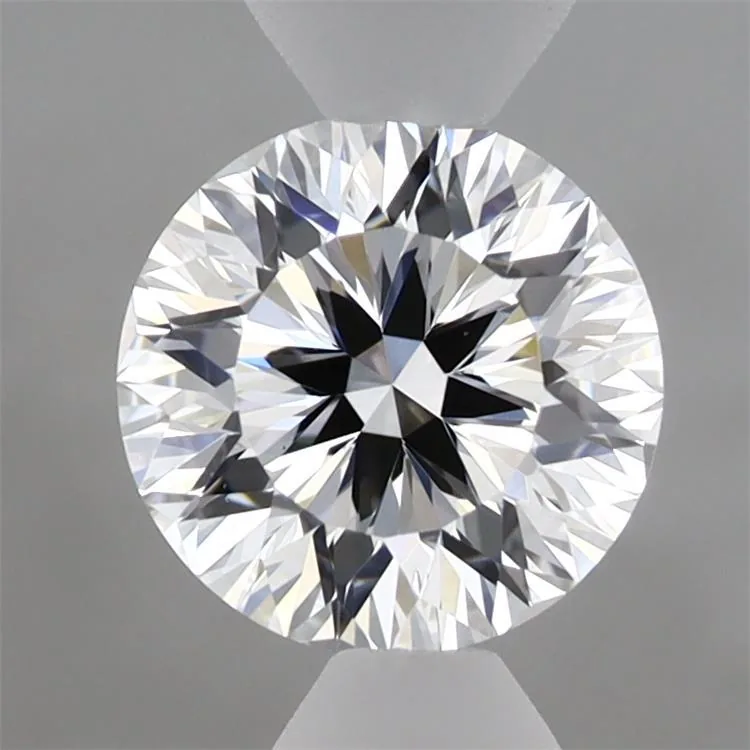
For example, an exquisite 2.00-carat Round Brilliant Diamond with F color and VS1 clarity graded by IGI might cost between $18,000 and $24,000 in a natural earth-mined stone. In a certified lab-grown diamond, that identical visual presence, brilliance, and certification grade typically ranges from $1,600 to $2,800 USD.
This price structure gives buyers immense flexibility: you can opt for an exceptionally larger stone, invest in an intricate bespoke platinum or 18k gold setting with calibrated melee diamonds, or reallocate savings toward meaningful life experiences.
4. Independent Grading: IGI & GIA Protocols
Both natural and lab-grown diamonds should always be purchased with an independent laboratory grading report. The International Gemological Institute (IGI) is the world's most recognized laboratory for lab-grown diamond certification, having pioneered full 4C grading for laboratory stones in 2005.
An authentic IGI report details exact millimeter measurements, carat weight, color grade, clarity grade, cut precision, polish, symmetry, and growth methodology (CVD or HPHT). Crucially, all legitimate lab diamonds feature a microscopic laser inscription on their girdle that begins with 'LG' or includes the laboratory certificate number.
At Lucent Carat Lab, every single stone in our catalog is paired with verifiable IGI credentials that can be inspected directly on the official IGI global registry database before acquisition.
5. Which Diamond Should You Choose?
Your choice ultimately hinges on personal sentiment, aesthetic goals, and philosophical perspective. Neither choice is inherently superior; rather, each serves distinct preferences.
Choose a Natural Diamond if: You cherish deep geological heritage, value rare historical treasures formed billions of years ago inside the earth, and desire an heirloom with proven long-term historical market precedent.
Choose a Lab-Grown Diamond if: You desire the largest, clearest, and most brilliant stone possible for your financial budget, prioritize modern technological elegance, or prefer a contemporary piece for custom jewelry atelier designs.
- For bespoke engagement rings where visual impact and brilliance are paramount, lab-grown diamonds offer unparalleled value.
- For traditional investment portfolios or heritage collectors, high-grade natural diamonds with verifiable origins remain the classic standard.
- For jewelry featuring numerous accent stones (halos, pavé, eternity bands), calibrated loose lab diamonds achieve flawless visual uniformity across every millimeter.
Frequently Asked Questions
Published by Lucent Carat Lab Gemological Atelier
Our international gemological atelier inspects, certifies, and curates certified loose diamonds directly from primary cutting centers with complete transparency and verified IGI credentials.