CVD vs. HPHT Lab Diamonds: Which Growth Method Produces the Better Stone in 2026?
A thorough gemological breakdown of Chemical Vapor Deposition and High Pressure High Temperature technologies, growth traits, and visual quality.

Executive Summary & Key Takeaways
- Identical Finished Chemistry: Both CVD and HPHT result in 100% genuine carbon diamonds that test identical to mined diamonds under all standard thermal and gemological tests.
- The Color Undertone Difference: HPHT stones occasionally display a subtle grey or blue undertone ('blue nuance' caused by trace boron), while untreated CVD stones can possess a faint brownish tint.
- Post-Growth Treatment (LPHT): Many CVD diamonds undergo secondary HPHT treatment to remove brown tinting and achieve pristine DEF color. Top laboratories like IGI clearly indicate 'As Grown' vs 'Post-Growth Treatment' on reports.
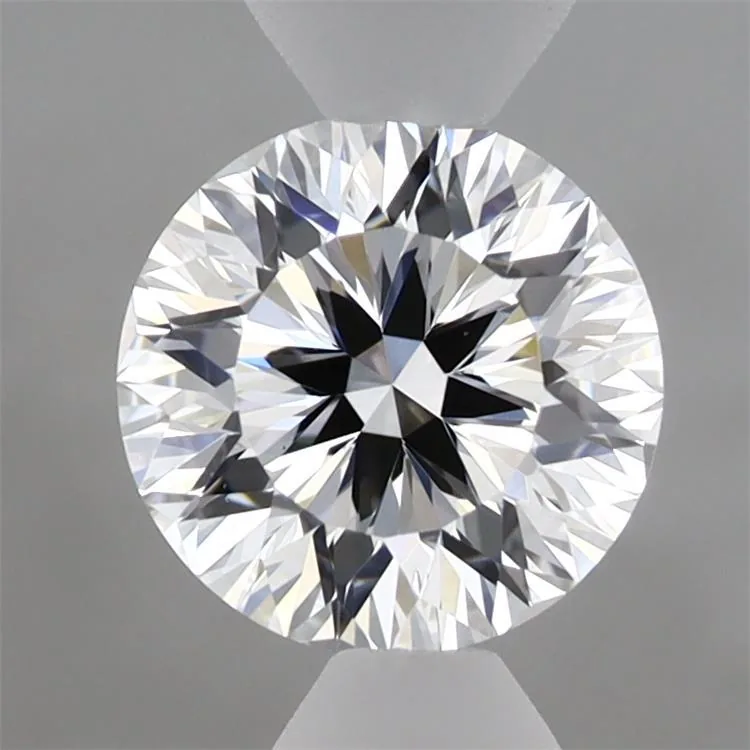
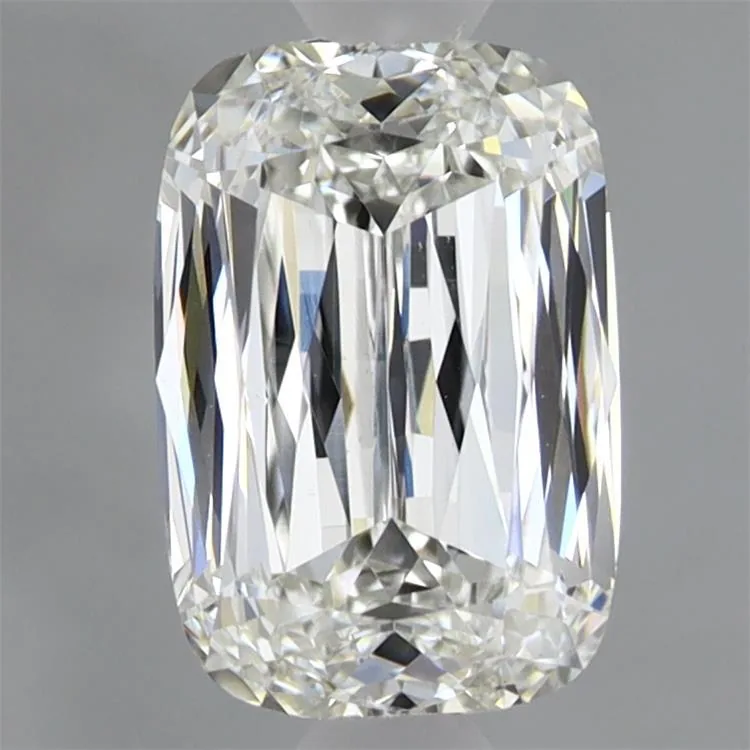
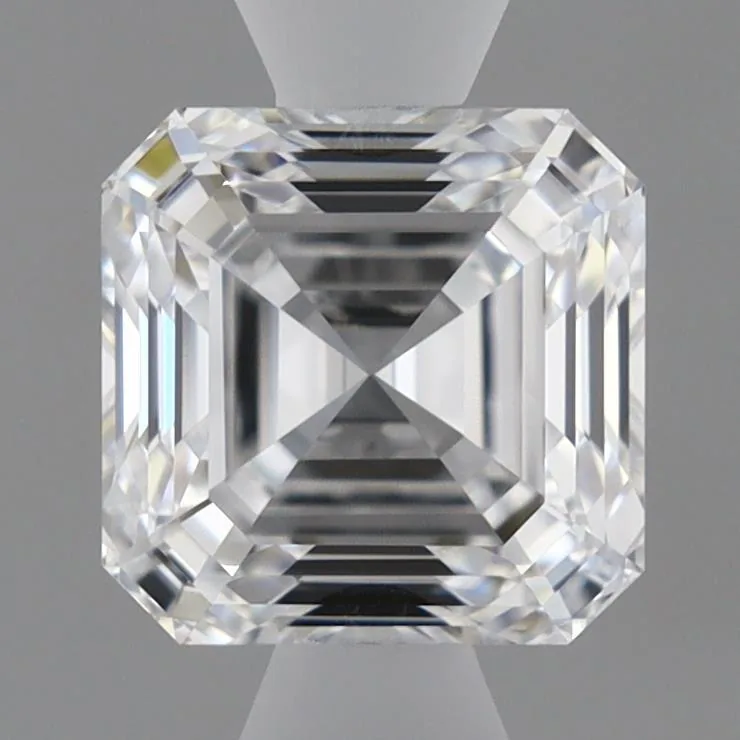
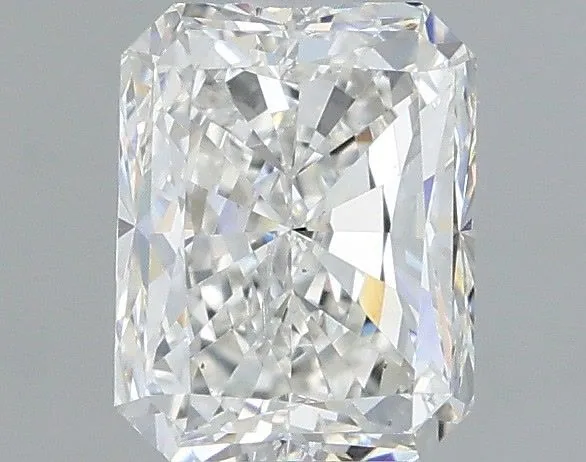
- Which is Superior in 2026?: Today, top-tier CVD and top-tier HPHT diamonds are indistinguishable in beauty. The key is purchasing an IGI certified stone with Excellent/Ideal cut and confirming zero color nuance.
1. How CVD and HPHT Technologies Actually Work
The modern lab diamond landscape is driven by two cutting-edge engineering processes, each approaching carbon crystallization from a distinct physical angle:
HPHT (High Pressure High Temperature): Originally developed in the 1950s by General Electric, modern cubic presses subject carbon to over 60,000 atmospheres of pressure and 1,500°C temperatures in the presence of molten metallic flux (nickel, iron, or cobalt). Carbon atoms dissolve and migrate onto a diamond seed crystal, growing a dense cuboctahedral diamond crystal over 10 to 14 days.
CVD (Chemical Vapor Deposition): Developed later in the 1980s and perfected over the last decade, CVD takes place inside a specialized vacuum reactor chamber. A hydrocarbon gas mixture (typically methane and hydrogen) is ionized by microwave plasma at temperatures of 800°C to 1,200°C. The plasma breaks molecular bonds, allowing pure carbon atoms to rain down layer-by-atomic-layer onto flat diamond seed plates.
2. Visual Nuances: Blue Cast vs. Brown Undertone
While both synthesis methods produce optically magnificent stones, discerning gemologists look for specific telltale growth traits:
The HPHT 'Blue Nuance': During HPHT synthesis, trace amounts of boron can enter the growth chamber. Even fractional parts-per-million of boron can impart a faint steely-blue or greyish undertone to the stone. While some buyers find this icy blue tone attractive, conservative purists prefer a completely neutral white diamond.
The CVD 'Brown Tint' & Grain Lines: Because CVD crystals grow rapidly in vertical layers, vacancies in the carbon lattice can produce a light champagne or brownish tint in the raw rough crystal. Additionally, CVD diamonds can exhibit internal growth striations or 'strain lines' visible under cross-polarized filters.
3. 'As Grown' vs. 'Post-Growth Treatment' on IGI Reports
When reviewing an IGI laboratory certificate for a lab-grown diamond, pay close attention to the Comments section at the bottom left:
If the certificate reads 'As Grown - No indication of post-growth treatment', the diamond emerged from the synthesis chamber with its final color and clarity naturally intact. This represents peak technical mastery.
If the certificate notes 'This laboratory grown diamond may include post-growth treatment', the diamond underwent a secondary high-pressure heat cycle to relax internal lattice strain and elevate its color from G/H up to D/E/F. This treatment is permanent and irreversible, but purists often pay a slight premium for certified 'As Grown' stones.
4. Type IIa Purity: Why Lab Diamonds Surpass 98% of Natural Stones
Gemologists categorize diamonds into crystal types based on atomic impurities (primarily nitrogen). Type Ia diamonds (representing roughly 98% of all mined diamonds) contain measurable nitrogen clusters.
Type IIa diamonds, by contrast, possess almost zero measurable nitrogen or chemical impurities within their crystal lattice. They are the most chemically pure diamonds known to science, exhibiting remarkable optical transparency and thermal brilliance.
Famous legendary natural diamonds like the Cullinan and the Koh-i-Noor are Type IIa stones. Both CVD and HPHT lab-grown diamonds consistently certify as Type IIa, offering buyers access to the purest diamond category in existence at everyday accessible prices.
5. The Verdict: How to Choose the Best Lab Diamond
In 2026, the question is no longer 'Is CVD better than HPHT?'. Both technologies have reached such high levels of precision that top-tier stones from either process are indistinguishable once mounted in a luxury ring.
Instead, evaluate your diamond using these three golden rules:
1. Insist on IGI or GIA Certification: Verify that color is graded D, E, or F, clarity is VS2 or higher, and cut is certified Ideal or Excellent.
2. Verify Color Neutrality: Confirm the stone is free of secondary brownish or greyish tints under full-spectrum daylight.
3. Prioritize Cut Angles: Ensure table percentage (54-57%) and depth percentage (61.0-62.5%) are in the sweet spot for maximum light return.
Frequently Asked Questions
Published by Lucent Carat Lab Gemological Atelier
Our international gemological atelier inspects, certifies, and curates certified loose diamonds directly from primary cutting centers with complete transparency and verified IGI credentials.