Diamond Clarity Scale Explained: How to Find the Perfect "Eye-Clean" Stone and Save 40%
The definitive gemological guide to Flawless down to SI2 grades, inclusion types, and the exact clarity threshold you actually need.
Executive Summary & Key Takeaways
- Clarity is About Rarity, Not Sparkle: Clarity measures internal flaws (inclusions) and surface blemishes under 10x magnification. It does not dictate brilliance or fire—Cut does.
- The 'Eye-Clean' Secret: An eye-clean diamond has no imperfections visible to the naked human eye from a standard viewing distance of 8 to 10 inches under natural daylight.
- The Ultimate Value Zone: VS2 (Very Slightly Included 2) is universally considered the sweet spot for brilliant cuts. It is 100% eye-clean 99% of the time, yet costs 30% to 50% less than VVS or Flawless grades.
- Step Cuts Require Higher Clarity: Emerald and Asscher cuts feature open, panoramic step facets like glass windows, requiring at least VS1 or high-grade VS2 to ensure eye-clean perfection.
1. The 11 Diamond Clarity Grades Defined
Every natural and laboratory-grown diamond bears microscopic birthmarks formed during crystallization. The international diamond clarity scale established by GIA (Gemological Institute of America) and applied globally by IGI classifies stones into 11 distinct grades based on the size, quantity, location, relief, and nature of these imperfections under 10x binocular magnification.
Flawless (FL) & Internally Flawless (IF): Zero internal inclusions visible under 10x magnification. Extremely rare in nature, commanding astronomical price premiums. Visually identical to a high-grade VS diamond without a loupe.
Very, Very Slightly Included (VVS1 & VVS2): Minute inclusions so minuscule that even experienced laboratory gemologists struggle to locate them under 10x magnification. Perfect for perfectionists, but visually redundant for everyday jewelry.
Very Slightly Included (VS1 & VS2): Minor inclusions such as tiny crystals, feathers, or pinpoints. Imperfections are completely invisible to the naked eye. VS2 represents the single most popular and cost-effective grade globally.
Slightly Included (SI1 & SI2): Noticeable inclusions under 10x magnification. High-grade SI1 stones are frequently eye-clean in brilliant cuts, offering tremendous savings, while SI2 stones may show faint inclusions upon very close inspection.
Included (I1, I2, I3): Obvious inclusions visible to the unassisted eye, often compromising both transparency and structural durability. Lucent Carat Lab does not catalog or recommend stones in the 'I' category.
2. The Gemologist's Definition of 'Eye-Clean'
In the professional diamond trade, 'eye-clean' is not a marketing term—it is a rigorous gemological benchmark. A stone is certified as eye-clean when a person with standard 20/20 vision (with corrective lenses if necessary) cannot detect any inclusions when viewing the diamond face-up at a distance of 8 to 12 inches under standard daylight-equivalent lighting.
Because diamonds are worn on fingers and viewed from conversation distance (typically 12 to 24 inches), microscopic inclusions that require a 10x jeweler's loupe have zero impact on the aesthetic enjoyment of the jewelry.
Investing thousands of additional dollars to jump from a VS2 to an IF grade buys you microscopic paperwork rarity, not visible beauty. That capital is far better allocated toward a larger carat weight or a superior Ideal Cut grade.
3. The 6 Most Common Inclusion Types (Good vs. Bad)
Not all diamond inclusions are created equal. The type, color, and location of an imperfection determine whether an SI1 or VS2 diamond is an extraordinary bargain or an optical disappointment.
1. Crystals: Tiny mineral grains (often miniature diamonds, garnet, or diopside) trapped inside the host diamond during crystallization. White or translucent crystals are benign and easily overlooked, whereas dark black carbon crystals under the center table are undesirable.
2. Feathers: Microscopic internal fractures that resemble tiny bird feathers. Small feathers deep inside the stone are harmless. However, large feathers breaking the surface near the girdle or corners can create structural vulnerabilities during setting.
3. Pinpoints: Microscopic dots of carbon that resemble tiny specks of dust. These are the most harmless inclusions in gemology and rarely impact eye-cleanliness even in clusters.
4. Clouds: Dense groupings of microscopic pinpoints. In small amounts, clouds are invisible. If a laboratory certificate notes 'clarity grade based on clouds not shown', the stone may appear hazy or milky under sunlight.
5. Twinning Wisps: Intertwined crystal growth dislocations resulting from shifting pressure during growth. Highly common in fancy shapes and usually completely white and transparent.
6. Needles: Long, thin rod-like crystals. Often harmless unless grouped prominently beneath the central table facet.
4. How Diamond Shape Dictates Clarity Requirements
The optical architecture of your chosen diamond cut directly impacts how easily inclusions can be hidden:
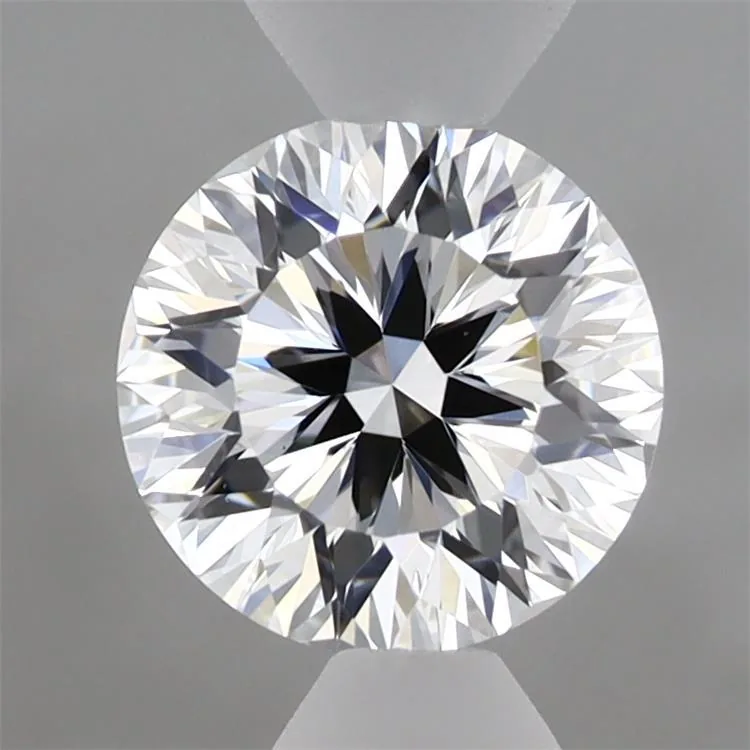
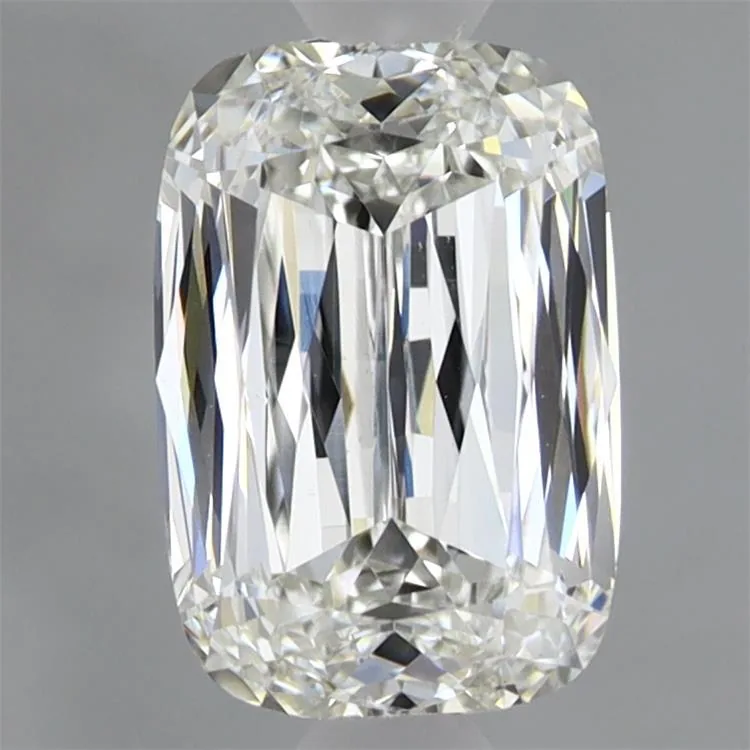
Brilliant Cuts (Round, Oval, Cushion, Radiant, Pear): These shapes feature 57 to 70 triangular and kite-shaped facets engineered to scatter light into thousands of scintillating reflections. This explosive light performance effortlessly camouflages minor inclusions, making VS2 and clean SI1 diamonds look breathtakingly flawless.
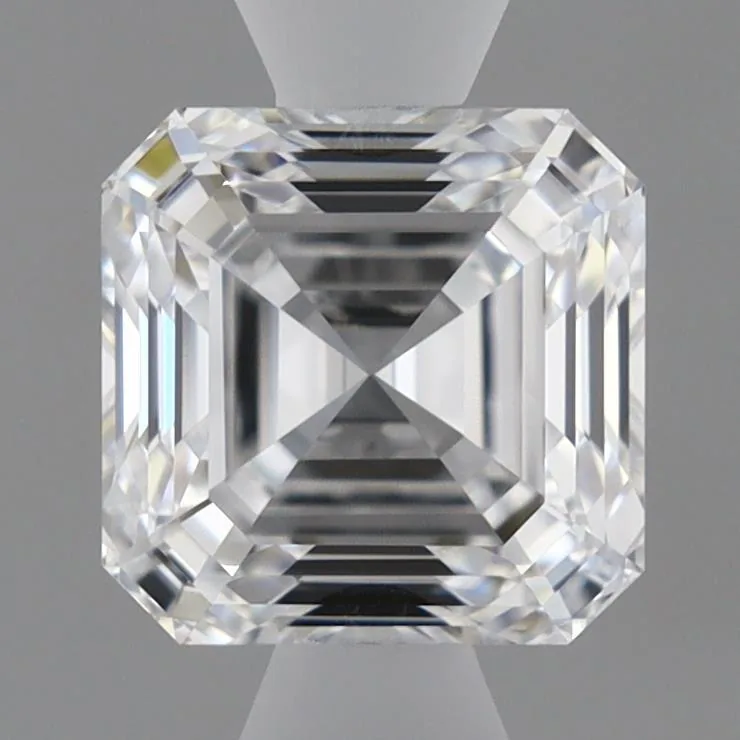
Step Cuts (Emerald, Asscher): Unlike brilliant cuts, step cuts feature broad, parallel rectangular facets that act like transparent hall-of-mirrors windows. Light passes directly through the body of the stone rather than bouncing between multiple facets. Consequently, any dark inclusion or cloud is immediately noticeable.
For Emerald and Asscher cuts, we strictly advise selecting a minimum of VS1 clarity (or a thoroughly verified, hand-selected VS2). For Round, Oval, and Radiant cuts, VS2 is completely flawless to the eye.
5. The Smart Buyer's Allocation Strategy: Where to Stop Spending
To optimize your diamond budget and maximize visual presence on the finger, follow the Lucent Carat Lab Clarity Strategy:
Under 1.50 Carats (Brilliant Cuts): Target an eye-clean SI1 or entry-level VS2. At this size, inclusions are minuscule and practically impossible to see without magnification.
1.50 Carats to 2.50 Carats (Brilliant Cuts): Secure a certified VS2. This guarantees 100% eye-clean performance while avoiding the steep 40% to 60% price jump to VVS grades.
3.00 Carats and Above (Any Shape): Select VS1 or VS2 with inclusions positioned toward the outer pavilion edges rather than the center table.
Any Size Step Cut (Emerald / Asscher): Prioritize VS1 for absolute optical tranquility.
Frequently Asked Questions
Published by Lucent Carat Lab Gemological Atelier
Our international gemological atelier inspects, certifies, and curates certified loose diamonds directly from primary cutting centers with complete transparency and verified IGI credentials.