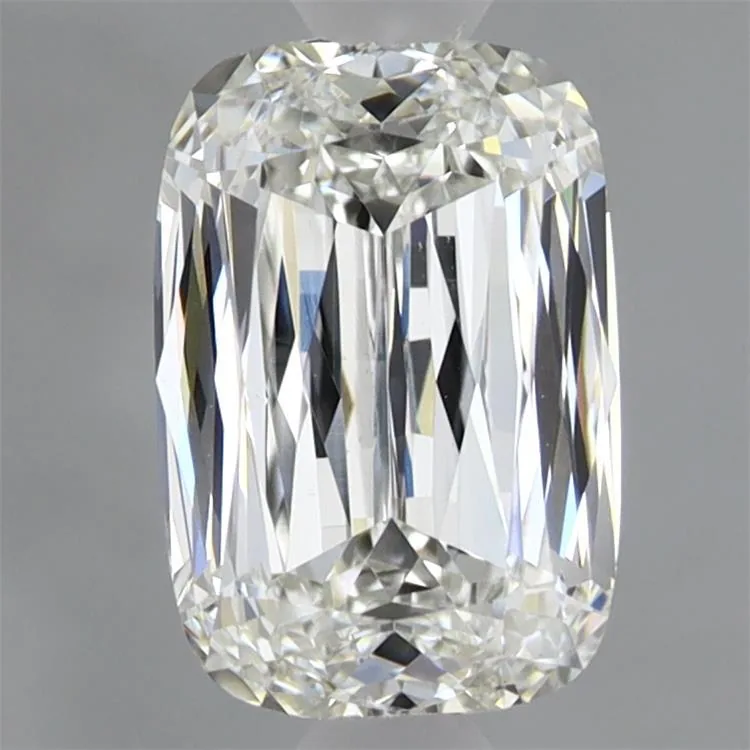
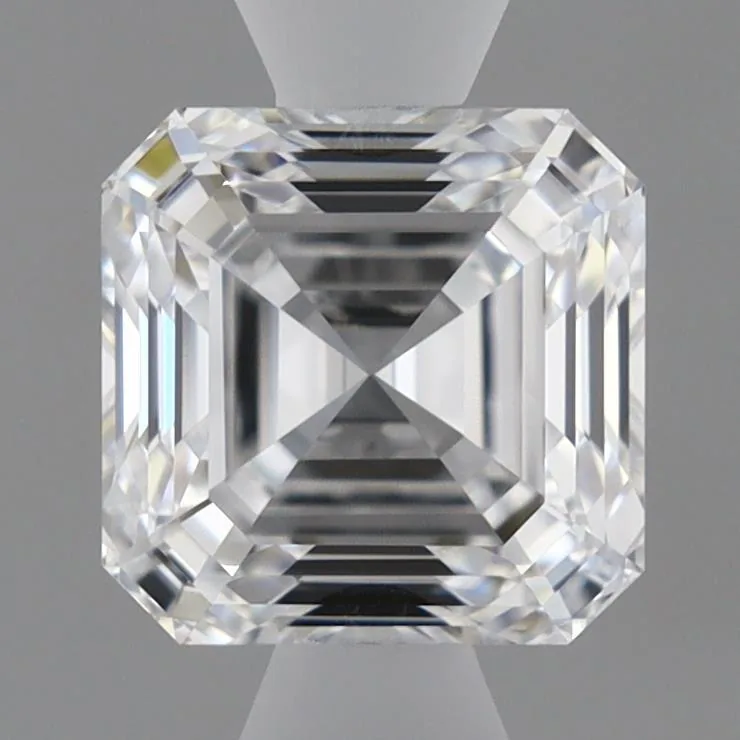
Diamond Depth & Table Percentage: The Gemologist’s Formula for Unmatched Sparkle
Why two diamonds with identical 4Cs can look completely different in real life—and how to decode table, depth, and crown angles.

Executive Summary & Key Takeaways
- Cut Proportions Dictate 100% of Sparkle: A diamond's ability to return light to your eyes depends strictly on its facet angles and proportion percentages, not its color or clarity.
- The Ideal Round Formula: For a Round Brilliant diamond, target a Table Percentage between 54% and 57%, and a Depth Percentage between 61.0% and 62.5%.
- Beware of 'Stealth Weight': Diamonds cut too deeply (over 63%) hide their carat weight in a fat pavilion, looking significantly smaller face-up than their actual carat certificate indicates.
- Avoid Shallow 'Fish Eyes': Diamonds cut too shallowly (under 59% depth) leak light straight through the bottom like an open window, creating a lifeless grey ring known as a 'fish eye'.
1. The Physics of Light Performance: Brilliance, Fire & Scintillation
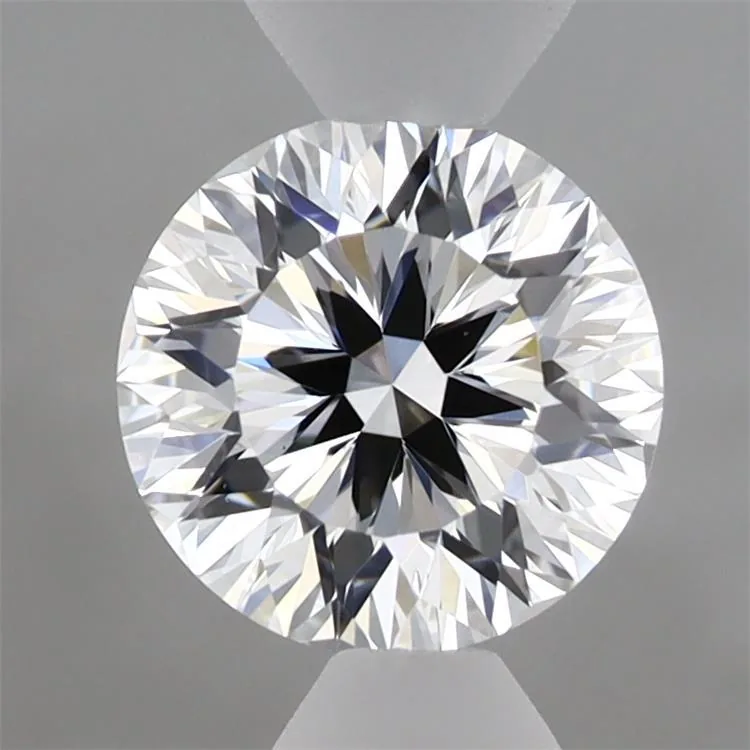
When you admire a diamond, you are witnessing an exquisitely engineered optical mirror. White light enters through the crown facets, refracts into spectral colors, reflects across internal pavilion mirrors via Total Internal Reflection (TIR), and bounces back out through the top directly into your eyes.
This optical performance manifests in three distinct ways: Brilliance (the intense brightness of white light return), Fire (the flashing dispersion of rainbow colors), and Scintillation (the lively sparkle patterns produced when either the diamond or the observer moves).
If the diamond's facet angles or proportions deviate from the mathematical ideal, light leaks out through the sides or bottom of the stone. A diamond with leaked light appears dark, lifeless, and glassy—regardless of whether it holds an Flawless clarity or D-color grade.
2. Table Percentage: The Diamond's Primary Light Window
The 'table' is the large, flat facet resting at the very top of the diamond. Table percentage is calculated by dividing the width of the table facet by the overall diameter of the diamond, expressed as a percentage.
Large Table (>60% on Round Brilliant): A table that is too large admits abundant white light but reduces the surface area of the surrounding crown facets. This results in strong white brilliance but a severe lack of colored fire.
Small Table (<53% on Round Brilliant): An undersized table produces intense fiery flashes but can make the diamond look visibly smaller face-up and slightly darker in overcast conditions.
The Sweet Spot (54% to 57%): This golden ratio provides the quintessential balance of incandescent white brilliance and fiery spectral dispersion.
3. Depth Percentage: Avoiding 'Nail Heads' and 'Fish Eyes'
Depth percentage measures the diamond's total vertical height (from the top table facet to the bottom point or culet) divided by its average diameter.
Deep Cut (>63%): When a diamond is cut too deep, incoming light rays strike the pavilion facets at too steep an angle and bounce straight out the bottom pavilion. The center of the diamond becomes dark and shadowy, an effect gemologists call a 'nail head'. Worse, you pay for heavy carat weight hidden underneath the ring setting that cannot be seen.
Shallow Cut (<59%): When a diamond is cut too flat and shallow, light strikes the pavilion at a shallow angle and escapes directly out the base. This creates a dull, watery appearance and a glaring circular reflection of the girdle called a 'fish eye'.
Ideal Depth (61.0% to 62.5%): Light strikes the pavilion facets at the critical angle of reflection, guaranteeing 100% light return to the observer's eye.
4. Master Proportions Chart by Diamond Shape
While Round Brilliant diamonds adhere to strict mathematical standards, fancy shapes (Oval, Emerald, Radiant, Cushion, Pear) have tailored proportion tolerances:
5. Crown Angle & Pavilion Angle Synergy: The Magic Formula
Even if a diamond's table and depth percentages appear ideal, its crown angle (the slope of the upper bezel facets) and pavilion angle (the slope of the lower facets) must harmonize perfectly.
The Pavilion Angle is the primary engine of light return. The absolute optimum pavilion angle for a round brilliant diamond is between 40.6° and 41.0°. A deviation of just 0.5° can cause catastrophic light leakage.
The Crown Angle governs fire dispersion. The ideal crown angle ranges between 34.0° and 35.2°.
When a 40.6°–40.8° pavilion angle pairs with a 34.5°–35.0° crown angle and a 55%–57% table, the diamond achieves peak optical performance, earning elite 'Super Ideal' classification among world gemologists.
Frequently Asked Questions
Published by Lucent Carat Lab Gemological Atelier
Our international gemological atelier inspects, certifies, and curates certified loose diamonds directly from primary cutting centers with complete transparency and verified IGI credentials.