The Ultimate Engagement Ring Settings Guide: Matching Your Loose Diamond to the Perfect Mounting
From classic four-prong solitaires to protective full bezels, discover how setting architecture impacts diamond protection, size perception, and daily comfort.

Executive Summary & Key Takeaways
- The Setting Protects Your Investment: The mounting is not merely aesthetic—it provides structural security, determines light entry, and protects delicate corners from accidental chipping.
- 4-Prong vs. 6-Prong Tradeoff: 4-prong settings expose more diamond surface area and maximize light entry, while 6-prong settings provide greater safety and emphasize a rounder silhouette.
- The Modern Bezel Renaissance: Full bezel settings encircle the diamond in solid metal, offering the ultimate snag-free security for active lifestyles and modern minimalist aesthetics.
- Metal Pairing Strategy: Platinum and 18K White Gold enhance icy D-F diamonds, while 18K Yellow Gold complements warmer G-J diamonds, creating seamless visual harmony.
1. Solitaire Architecture: 4-Prong, 6-Prong & Claw Prongs
The solitaire remains the undisputed icon of engagement ring design. By focusing 100% of the observer's attention onto a single magnificent centerpiece diamond, its architectural subtlety makes all the difference:
4-Prong Solitaire: The minimalist classic. Uses four delicate metal prongs positioned at the cardinal points (North-South-East-West) or ordinal diagonals. It leaves maximum diamond surface area exposed to ambient light, making the diamond look as open and brilliant as possible.
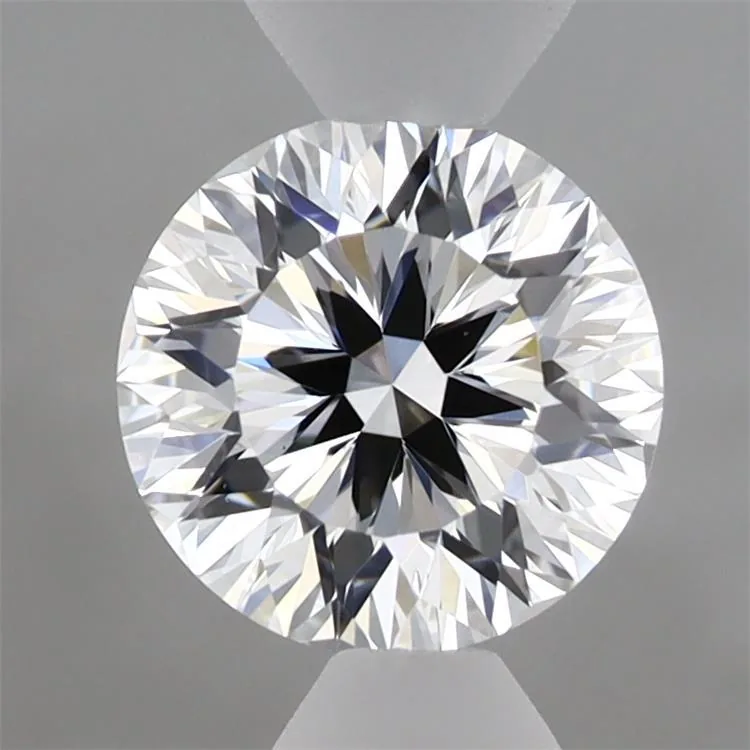
6-Prong Solitaire (The Tiffany Style): Engineered with six evenly spaced prongs. If one prong ever catches or bends, the remaining five securely hold the diamond in place. It also frames round diamonds in a distinctly circular perimeter.
Petite Claw Prongs: Unlike rounded ball prongs, claw prongs taper down into a razor-sharp point. They grip the diamond with minimal metal footprint, lending an ultra-refined, bespoke European atelier aesthetic.
2. The Modern Bezel: Unrivaled Security & Sleek Minimalism
The bezel setting is experiencing an unprecedented global resurgence among discerning modern brides. Instead of prongs, a custom-cast collar of precious metal wraps entirely around the girdle perimeter of the diamond.
Key Advantages of Bezel Settings:
1. 100% Snag-Free Wear: There are zero prongs to catch on knitted sweaters, hair, or gym equipment. Perfect for healthcare workers, athletes, and hands-on professionals.
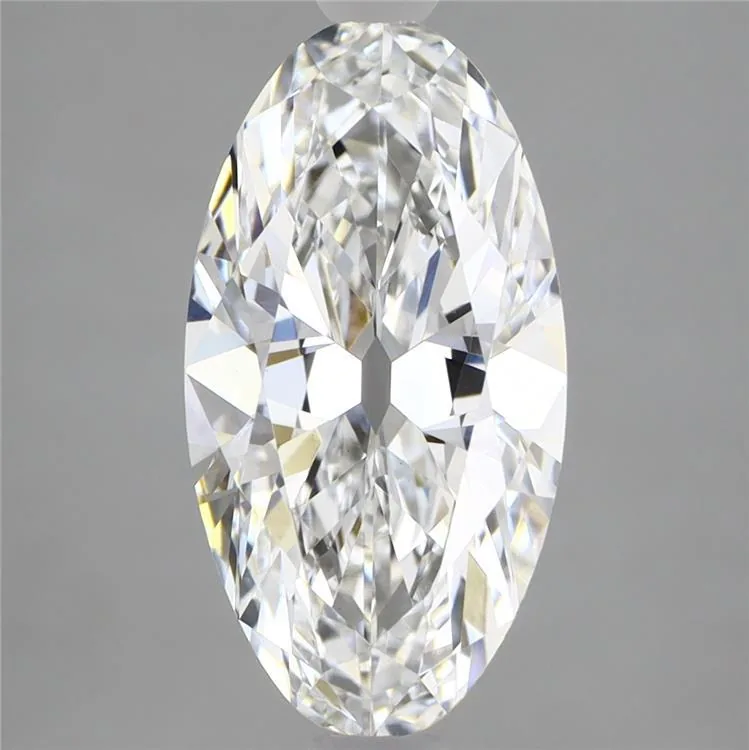
2. Superior Edge Protection: Protects the vulnerable girdle and sharp pointed corners (such as the tips of Pear, Marquise, and Princess cuts) from chipping against hard surfaces.
3. Optical Illusion of Scale: The metallic rim expands the visual footprint of the center stone, often making a 1.50 ct diamond appear like a 2.00 ct stone on the finger.
3. Cathedral & Trellis Mountings: Architectural Drama
Cathedral Setting: Named after the soaring arches of Gothic cathedrals, this design features shoulders of the ring band that sweep gracefully upward toward the center stone. This architectural arch provides exceptional structural stability and elevates the diamond higher above the finger, creating dramatic side-profile visibility.
Trellis Setting: Characterized by interwoven, overlapping prongs that create an elegant cross-hatch basket beneath the stone. It offers a romantic, vintage-inspired side profile while maintaining a low, comfortable center of gravity.
4. Halo & Three-Stone (Trilogy) Designs: Maximizing Surface Presence
Hidden Halo: The modern discreet luxury trend. A micro-pavé collar of diamonds is wrapped around the under-gallery of the center stone, visible only from the profile angle. It preserves the clean top-down look of a classic solitaire while flashing secret sparkle from the side.
Three-Stone (Trilogy) Rings: Featuring a central diamond flanked by two calibrated side stones (e.g. tapered baguettes, half moons, or matched pear cuts). Symbolizing the couple's Past, Present, and Future, trilogy rings provide substantial knuckle-to-knuckle finger coverage.
5. Precious Metals Comparison: Platinum vs. 18K Gold
Selecting your precious metal is both an aesthetic and functional decision:
Platinum (950 Purity): The king of bridal metals. Dense, naturally hypoallergenic, and permanently white. Unlike white gold, platinum never tarnishes or turns yellow, requiring zero rhodium plating over decades. It develops a rich, antique patina that many collectors cherish.
18K White Gold (75% Pure Gold + White Alloys): Extremely bright and mirror-finished due to rhodium electroplating. Slightly lighter on the finger than platinum, but requires periodic rhodium re-dipping every 18 to 24 months to maintain its icy white sheen.
18K Yellow Gold: The timeless, warm classic. Pairs exquisitely with G, H, and I color diamonds, as the rich golden band reflects warm tones into the diamond, naturally camouflaging slight body warmth.
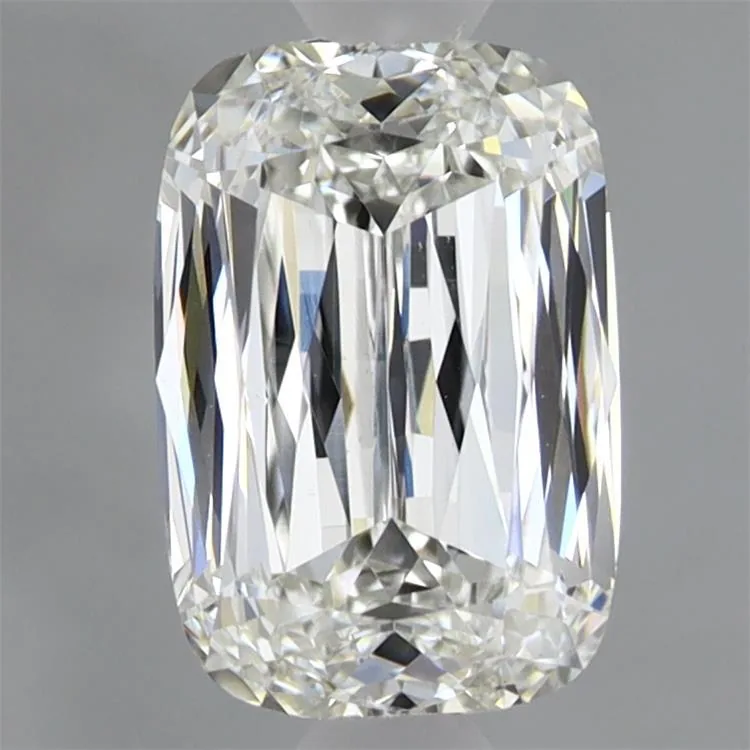
18K Rose Gold: Blended with copper for a romantic blush tone. Strikingly beautiful with antique cushion and oval solitaires.
Frequently Asked Questions
Published by Lucent Carat Lab Gemological Atelier
Our international gemological atelier inspects, certifies, and curates certified loose diamonds directly from primary cutting centers with complete transparency and verified IGI credentials.