How Much Should You Really Spend on an Engagement Ring? The 2026 Financial Blueprint
Dismantling the outdated 3-month salary myth, understanding true diamond cost drivers, and how smart buyers secure 2-3ct luxury for under $4,000.
Executive Summary & Key Takeaways
- The 3-Month Salary Rule is a Marketing Myth: Invented by diamond cartels in the 1930s, this rule has zero relevance to modern financial realities. Your budget should reflect your comfort and goals, not arbitrary social pressure.
- The Average Spend in 2026: The median engagement ring expenditure in the United States and UK currently sits between $3,500 and $5,500.
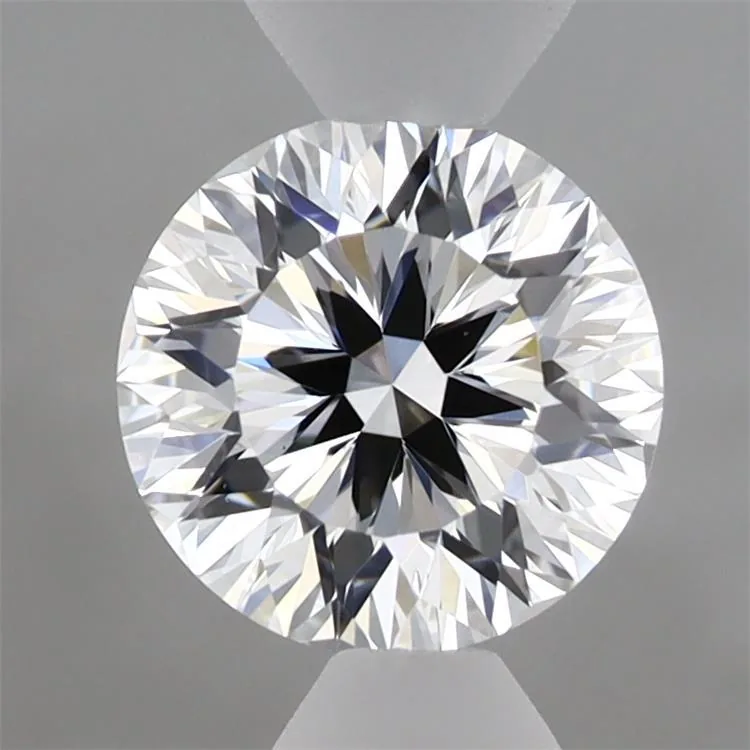
- The Lab-Grown Shift: Because certified lab diamonds cost 70% to 85% less than mined stones, a $3,000 budget now buys an exquisite 2.00 to 2.50 ct certified solitaire that previously required $18,000+ in natural stones.
- The 80/20 Allocation Rule: Allocate roughly 75% to 80% of your total budget toward the certified center diamond, and 20% to 25% toward the luxury platinum or 18K gold mounting.
1. The Origin of the '3 Months’ Salary' Myth
For nearly a century, consumers have been told that a respectable engagement ring must cost 'two to three months of gross salary'. Few realize that this 'tradition' was invented out of thin air by Madison Avenue advertising agencies working for De Beers during the Great Depression.
In the 1930s, De Beers launched an advertising campaign suggesting one month's salary. In the 1980s, they casually doubled it to two months. In Japan, they pushed for three months. It was a marketing masterstroke designed to anchor high spending, not sound financial counsel.
In 2026, couples prioritize shared homeownership, debt freedom, and memorable life experiences. The only 'correct' budget for an engagement ring is an amount you can comfortably afford without taking on high-interest consumer debt.
2. Real-World 2026 Budget Tiers & Expectations
To help you plan realistically, here is what your money achieves across standard 2026 market tiers when buying certified loose diamonds direct from an atelier:
3. The Lab-Grown Revolution: How Buying Power Quadrupled
The greatest market shift in luxury jewelry history is the widespread adoption of certified laboratory-grown diamonds. Five years ago, securing a 2.00-carat, D-color, VS1-clarity diamond required an investment of over $20,000.
Today, thanks to scaled CVD and HPHT technology, that exact same physical and chemical diamond can be sourced through Lucent Carat Lab for between $1,800 and $2,800—complete with full independent IGI certification.
This shift allows couples with a modest $3,000 budget to step into true celebrity-tier luxury (2.50 carats in solid platinum) without financial compromise.
4. The 80/20 Budget Allocation Formula
When planning your overall investment, divide your funds using the 80/20 framework:
75% to 80% — The Certified Center Diamond: The stone accounts for the vast majority of visual presence, light refraction, and long-term tangible value.
20% to 25% — The Luxury Mounting: A beautifully crafted solid platinum or 18K gold setting generally ranges from $600 (minimalist 4-prong solitaire) to $1,800 (elaborate cathedral with hand-set micro-pavé diamonds).
5. Four Gemological Secrets to Get More Diamond for Your Money
1. Buy 'Under-Size' (Magic Weight Thresholds): Diamond prices jump disproportionately at full-carat milestones (1.00ct, 1.50ct, 2.00ct, 3.00ct). Buying a 1.90ct or 1.95ct diamond saves you 20% to 30% compared to a 2.00ct stone, yet they appear 100% identical in size to the human eye.
2. Choose G or H Color for Yellow Gold: If you love yellow or rose gold settings, drop down to G or H color. The warm metal makes the diamond look icy white anyway, pocketing hundreds of dollars in savings.
3. Stop at VS2 Clarity: As proven in our clarity guide, VS2 diamonds are 99% eye-clean. Upgrading to VVS or Flawless adds zero extra sparkle.
4. Buy Loose Directly from the Source: Retail mall jewelry stores mark up pre-set rings by 150% to 300% to pay for mall leases and retail staff. Sourcing loose diamonds from an atelier cuts out middleman layers completely.
Frequently Asked Questions
Published by Lucent Carat Lab Gemological Atelier
Our international gemological atelier inspects, certifies, and curates certified loose diamonds directly from primary cutting centers with complete transparency and verified IGI credentials.