IGI vs. GIA Certification: Which Diamond Report Should You Trust?
An unbiased gemologist comparison of grading rigor, cut criteria, and resale recognition.
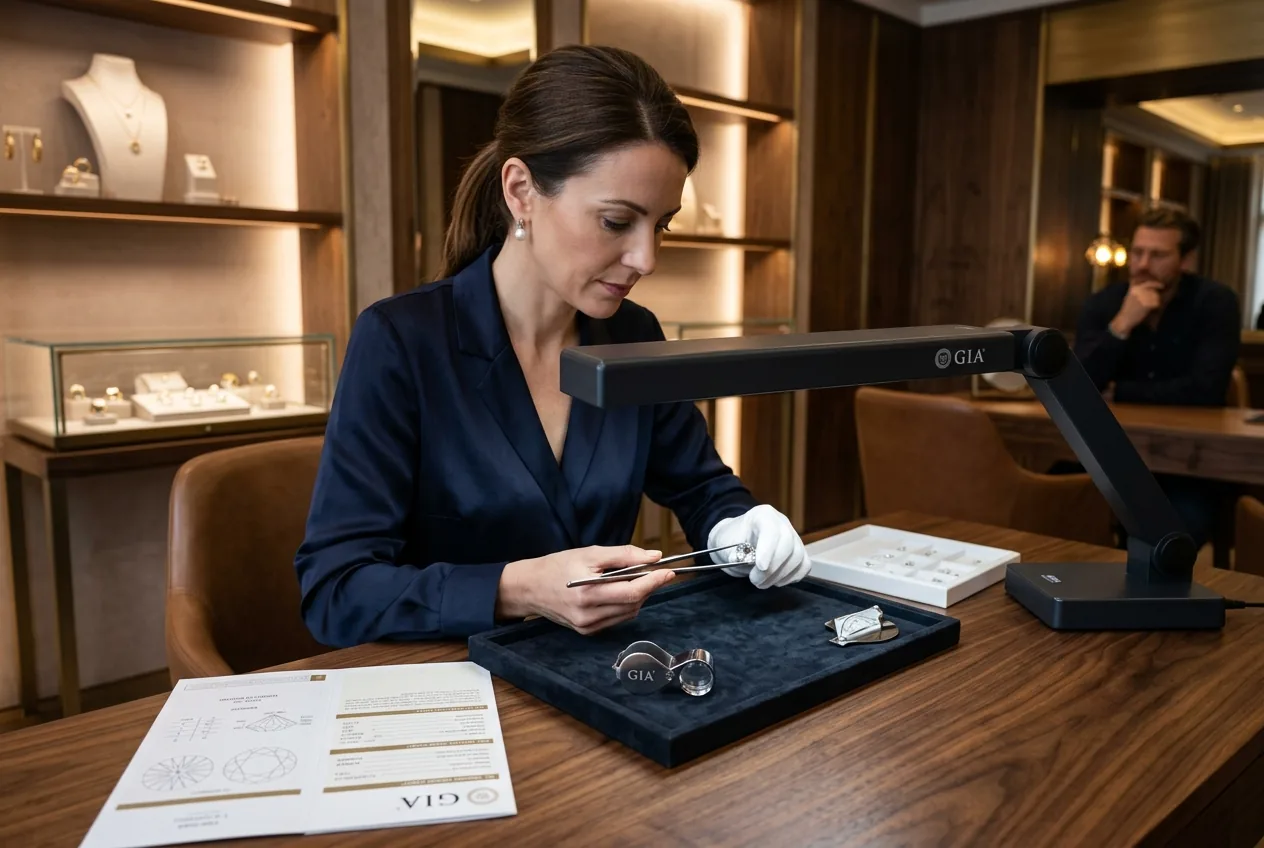
Executive Summary & Key Takeaways
- GIA pioneered the 4Cs in 1953 and remains the premier global standard for natural diamond certification.
- IGI was the first laboratory to provide full color, clarity, and cut grading for lab-grown diamonds, making it the dominant global authority for laboratory stones.
- Both laboratories use standardized master stone sets, optical spectrophotometers, and microscopic laser inscription verification.
- Never buy an uncertified loose diamond or one graded solely by an in-house retailer appraisal.
1. The Laboratories: History & Heritage
The Gemological Institute of America (GIA), founded in 1931, is the nonprofit scientific institution that developed the International Diamond Grading System (the 4Cs: Cut, Color, Clarity, Carat) in 1953. GIA is globally revered for natural diamonds.
The International Gemological Institute (IGI), founded in 1975 in Antwerp, Belgium, is the world's largest independent gemological testing organization with 29 laboratories worldwide. IGI is renowned for pioneering transparent, accessible diamond grading reports across Europe, Asia, and North America.
2. Grading Standards Comparison
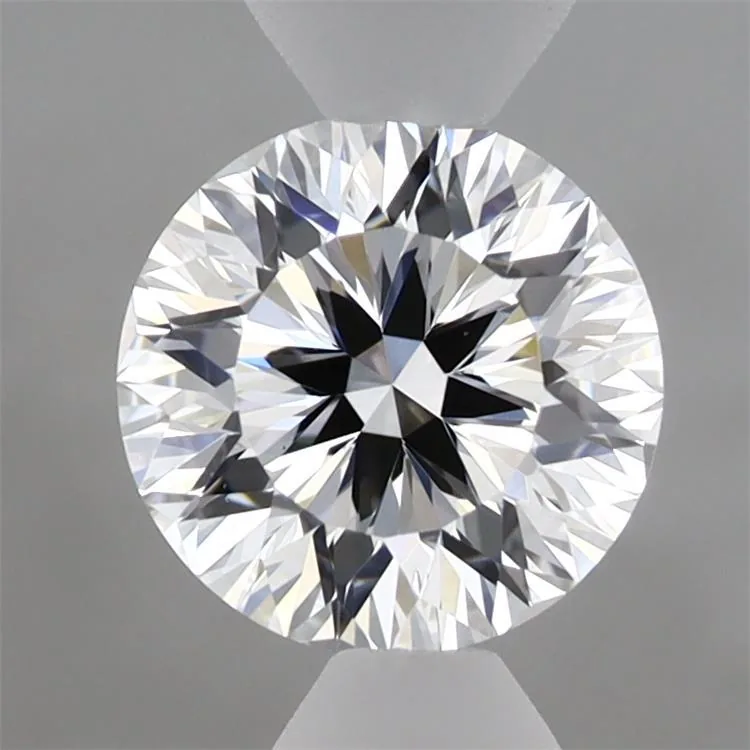
In cut grading for round brilliants, both GIA and IGI use ray-tracing optical models that calculate table percentage, crown angle, pavilion depth, and girdle thickness. An IGI 'Ideal' or GIA 'Excellent' requires strict adherence to mathematical light performance boundaries.
In color grading, both institutions inspect stones table-down against standardized master diamond sets under daylight-equivalent 5500K–6500K illumination. Independent double-blind studies demonstrate that IGI and GIA color grades align within one tier over 95% of the time.
3. Who Leads in Lab-Grown Diamonds?
For laboratory-grown diamonds, IGI is the undisputed global market leader. While GIA historically issued generic color and clarity ranges for synthetic diamonds until late 2020, IGI immediately provided full 4Cs precision grading and microscopic laser inscriptions.
As a result, over 80% of fine lab-grown diamonds traded in the United States and internationally carry IGI certifications.
4. Verifying Report Authenticity Online
Every legitimate IGI and GIA report includes an official numeric code laser-inscribed onto the diamond's girdle. Before finalizing your acquisition, always cross-reference the certificate number on the official laboratory portal to confirm matching carat, dimensions, and plotting diagrams.
Frequently Asked Questions
Published by Lucent Carat Lab Gemological Atelier
Our international gemological atelier inspects, certifies, and curates certified loose diamonds directly from primary cutting centers with complete transparency and verified IGI credentials.